How Much Cash to Buy a Home in Tucson
How Much Cash Do You Need to Buy a Home in Tucson?
When you are getting ready to buy a home, the down payment is usually the first number that comes to mind. It is important, but it is not the only expense you need to plan for.
You may also need cash for earnest money, inspections, the appraisal, closing costs, and expenses that come up after you get the keys. Your actual total will depend on the home, your loan, and what you negotiate with the seller.
Here is how I explain the full picture to my Tucson buyers before we write an offer.
What Do Homes Cost in Tucson?
Recent data available as of August 31, 2026, puts Tucson's median sale price between approximately $320,000 and $365,000, depending on the source and the dates included.
Zillow's Tucson market overview reported a median sale price of approximately $328,667 through late June 2026. Redfin's Tucson housing market page showed approximately $320,000 for the three months ending in June 2026. Realtor.com's Tucson market snapshot showed a median list price near $377,000 for July and August 2026.
These numbers are useful as a starting point, but Tucson is made up of many different neighborhoods and surrounding communities. Your price range may look very different depending on where you want to live, the condition of the home, its age, lot size, and nearby amenities.
For example, recent area data from approximately the previous 90 days showed:
| Area | Median sale price | Median days on market |
|---|---|---|
| Oro Valley | $480,000 | 40 |
| Vail | $399,900 | 52 |
| Tanque Verde | $674,000 | 33 |
These are area medians, not estimates for individual homes. Still, they can help you start thinking about how your preferred location may affect the amount of cash you need.
The Five Expenses Tucson Buyers Should Plan For
1. Your Down Payment
Your down payment will depend on the loan you qualify for. Some conventional loans allow qualified buyers to put down a small percentage. FHA loans may also offer a lower down payment, while eligible veterans and service members may qualify for a VA loan with no down payment.
Putting down more can lower your loan amount and monthly payment, but that does not always mean it is the best choice. You may be better off keeping some money available for closing costs, repairs, or an emergency fund.
Your lender can compare your options and show you how different down payments will affect your monthly payment and cash needed at closing.
2. Earnest Money
Earnest money is a good faith deposit that you submit shortly after the seller accepts your offer. It is held by the escrow company and is usually credited toward your down payment or closing costs at closing.
The amount is negotiable and can depend on the purchase price and the strength of the offer. Because it is due soon after contract acceptance, the money needs to be available and easy to access.
Earnest money may be refundable if you cancel within the inspection period and follow the terms of the contract. Once that period ends, the rules change. I make sure my buyers understand each deadline before we move forward.
3. Inspections and the Appraisal
Inspections and the appraisal are usually paid before closing. These expenses are generally nonrefundable, even if the purchase does not close.
A general home inspection is a good place to start. Depending on the property, I may also recommend inspections for the roof, termites, sewer, septic system, HVAC, pool, or solar equipment.
The appraisal is ordered through your lender and helps confirm that the home's value supports the loan. It may be paid when it is ordered or included with your closing costs.
I know it can feel like a lot of money to spend before the home is officially yours. These inspections give you a clearer picture of the property and can help you make an informed decision.
4. Closing Costs
Closing costs are separate from your down payment. Your exact costs will depend on your lender, loan, insurance, title work, and the terms negotiated in the purchase contract.
Buyer closing costs may include:
-
Loan origination and underwriting fees
-
Credit report and appraisal fees
-
Title and escrow fees
-
Recording fees
-
Homeowners insurance
-
Prepaid interest and property taxes
-
HOA related fees, when applicable
In Arizona, many costs can be negotiated between the buyer and seller. Who pays each fee depends on the contract, the property, and the current market. In some cases, we may be able to ask the seller to contribute toward a buyer's closing costs.
Your lender will provide a Loan Estimate and a Closing Disclosure that show the costs tied to your loan. I will also review the contract terms with you so you understand what you agreed to pay.
If you are buying in a community with an HOA, there may be disclosure, transfer, or other fees. Those costs and who pays them should be addressed in the purchase contract and HOA documents.
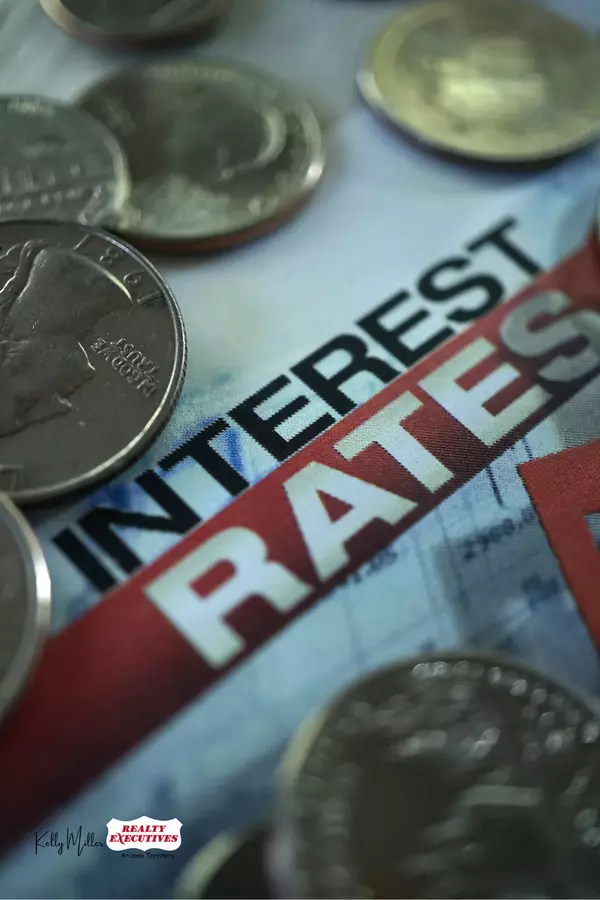
You can also read my post about how interest rates are affecting the Tucson real estate market.
5. Money for Moving In
It is easy to focus so much on closing that you forget about the expenses waiting on the other side. I encourage buyers to keep some money set aside instead of using every available dollar for the purchase.
Your first expenses may include:
-
Rekeying exterior doors
-
Moving costs
-
Utility deposits or connection fees
-
HVAC or evaporative cooler service
-
Irrigation repairs or adjustments
-
Pool service or safety improvements
-
Paint, flooring, window coverings, or small repairs
-
HOA fees that are due after closing
Even a well cared for home can have a few things you want to handle during the first 30 to 90 days. Having money set aside can make that transition much less stressful.
When Will You Need the Money?
You do not pay every expense at the same time.
After the seller accepts your offer, your earnest money is due according to the contract. During the inspection period, you pay the inspectors directly. The lender will order the appraisal, which you may pay for at that time. Shortly before closing, you will receive the final amount needed for your down payment and closing costs.
Any money used for the purchase also needs to be properly documented. If part of your down payment is a gift or comes from an investment or retirement account, talk with your lender early. Moving money without guidance can create extra questions during underwriting.
The goal is to know what you will need, when you will need it, and where it is coming from before you write an offer.
Frequently Asked Questions
What closing costs do buyers usually pay in Tucson?
Buyers commonly pay lender fees, appraisal costs, prepaid insurance and taxes, and certain title and escrow expenses. Sellers often pay other costs, but there is no single arrangement that applies to every purchase. The contract determines who is responsible for each expense, and some costs may be negotiable.
Can I buy a Tucson home with a low down payment?
Yes. Qualified buyers may have access to conventional, FHA, or VA financing with a low down payment or, in some cases, no down payment. Your lender can explain which programs you qualify for and how each one affects your payment, mortgage insurance, and closing costs.
How much should I budget for inspections and an appraisal?
The total depends on the size, age, and features of the home and which inspections you choose. A general inspection and lender appraisal are only part of the possible total. A roof, termite, sewer, septic, HVAC, pool, or solar inspection may add to the cost. I help my buyers decide which inspections make sense for the property and gather current pricing before scheduling them.
How much earnest money will I need?
There is no one required amount for every Tucson purchase. Earnest money is negotiated based on the price of the home and the terms of the offer. It is usually due shortly after the contract is accepted and is held by the escrow company until closing.
What expenses should I expect after closing?
Plan for moving costs, utility setup, rekeying the doors, and any repairs or updates you want to make right away. Tucson homeowners may also need to budget for HVAC service, irrigation work, pest control, or pool care.
How do FHA or VA loans change the cash I need?
FHA and VA loans may reduce the amount you need for a down payment, but you will still need to plan for earnest money, inspections, the appraisal, closing costs, and moving expenses. Your lender can provide the numbers for your specific loan.
Let’s Look at Your Numbers
You do not need to figure this out alone or have every dollar saved before asking questions. A good first step is talking with a lender and getting a clear estimate based on your price range and loan options.
I can help you understand the Tucson market, connect you with trusted local lenders and inspectors, and walk you through the process one step at a time.
Schedule a conversation with me, and we can talk about what buying a home may look like for you.
About Kelly Miller
Kelly Miller is a Tucson REALTOR® with Realty Executives Arizona Territory. She has helped buyers and sellers since 2011 and believes in giving her clients clear information, honest guidance, and personal service throughout the process.
Realty Executives Arizona Territory
(520) 631 1229
Equal Housing Opportunity. Kelly Miller is a REALTOR® with Realty Executives Arizona Territory and is licensed in Arizona. This article provides general information and is not legal, tax, or financial advice. Confirm your specific costs with your lender, escrow officer, tax professional, or other appropriate advisor.
Categories
- All Blogs (13)
- Buy and sell at the same time (2)
- cash to close Tucson (1)
- closing costs Tucson (1)
- down payment Tucson (1)
- earnest money Arizona (1)
- first time home buyer Tucson (3)
- Lifestyle (3)
- Listings (6)
- Pima County real estate (1)
- Real Estate Market (6)
- sell a home (3)
- Tucson 2026 housing market (4)
- Tucson home buying (3)
- Tucson Market (5)
Recent Posts